Prepare your Central Florida pool before storms and recover safely after heavy rain with equipment, chemistry, debris, and inspection steps.
Central Florida pool owners deal with two storm seasons at the same time. There is hurricane season on the calendar, and there is the everyday summer pattern of hard afternoon rain, lightning, wind, and debris. Both can knock a pool out of balance fast. A pool that looked perfect at lunch can be full of leaves, diluted sanitizer, and struggling circulation by the next morning.
The goal before heavy weather is not to make the pool stormproof. No pool is stormproof. The goal is to remove preventable damage, protect the equipment, keep the water from becoming a recovery project, and know when the pool is safe to restart and use again.
Key Takeaway
Do not drain your pool before a hurricane or heavy rain unless a licensed professional gives you a specific reason. Keep the water near normal level, secure loose deck items, clear baskets, balance the water before the storm, and leave the pool alone while lightning, flooding, or high wind are active. After the storm, stay out until the yard is safe, the equipment is dry and undamaged, the debris is removed, and the water has been tested and brought back into range.
That sequence matters. The wrong move can damage the surface, flood the equipment, clog the system, or put someone near unsafe water and electrical hazards.
Start Pool Prep Before the Weather Turns
The National Weather Service emphasizes preparation before hurricane season because the window closes quickly once a storm is already near Florida. Pool prep follows the same logic. Once the rain bands arrive, you should not be outside trying to move furniture, open the equipment pad, or add chemicals in lightning.
If a tropical system is forecast, start with the pool deck and yard. Bring in anything light enough to move in wind. That includes floats, toys, umbrellas, cushions, small tables, loose planters, maintenance poles, skimmer nets, and storage boxes that are not secured. Heavy furniture should be moved to a sheltered location when possible. Do not store patio furniture in the pool. Metal, wood, cushions, and painted surfaces can stain the finish, damage tile, or create a cleanup problem if the storm shifts them around.
Next, clear the pool and baskets while conditions are still calm. Remove leaves, pine needles, seed pods, screen debris, and loose branches from the water. Empty skimmer baskets and the pump basket. A basket that is already half full before the storm can restrict flow once leaves start blowing in. If the filter pressure is already high, clean or backwash the filter before the weather arrives so the system is not starting from behind.
Take quick photos of the pool, screen enclosure, equipment pad, heater, automation panel, valves, and surrounding deck. Photos take a minute, but they help if you need to compare pre-storm and post-storm conditions later. They also give a pool professional a clearer starting point if you call after the storm.
What to Do With Pool Water Level
Most homeowners ask the same question before a hurricane: should I drain the pool?
For a normal residential pool, the answer is usually no. Pool water helps hold the shell in place. Removing too much water can create pressure problems, especially when the ground is saturated after heavy rain. In Florida, where water tables can rise quickly, draining a pool without the right conditions and experience can do more damage than the storm.
If your pool has an overflow line, make sure it is not blocked by leaves or mulch. If the pool does not have an overflow and the water is already at the top of the tile, you may lower the water modestly before the storm if you know how your system works. Do not lower it aggressively. The target is extra room for rain, not an empty pool.
Never pump pool water into a neighbor's yard, toward the house foundation, or into a place that creates a slip or erosion hazard. If you are unsure where water should discharge, leave it alone and ask for help before the next storm.
Balance Chemistry Before the Rain
Heavy rain changes pool chemistry by dilution. It can lower sanitizer, move pH, reduce alkalinity, introduce organic debris, and create the exact conditions algae needs. The best time to correct chemistry is before the storm, not after the water is already cloudy.
Test the water while conditions are still dry enough to work safely. Focus on free chlorine, pH, alkalinity, stabilizer, and salt level if the pool has a salt system. Bring the pool into a normal operating range based on your pool type, finish, and equipment. Avoid random product stacking. More chemical is not automatically better, and guessing after a quick test strip can create new problems.
If you normally manage your own water, keep the plan simple:
- Test before adding anything.
- Adjust pH and alkalinity if they are clearly out of range.
- Make sure sanitizer is strong enough to handle the incoming rain and debris.
- Brush steps, benches, corners, and shaded walls so chlorine can work against early biofilm.
- Run circulation while the weather is still safe.
Do not add chemicals during lightning, wind, or heavy rain. Do not mix products in a bucket. Do not broadcast chemicals into a pool full of people trying to get one last swim in before the storm. Pool chemicals need dry handling, label-following, and enough circulation to distribute properly.

Protect the Equipment Pad
The equipment pad is where many storm problems turn expensive. Pumps, heaters, salt systems, automation panels, timers, electrical disconnects, and low-voltage controls are not meant to sit in floodwater.
Before the storm, clear leaves and loose debris from around the pad so water can move away from the equipment. Make sure drain paths are not blocked by mulch, grass clippings, toys, or storage bins. If the equipment is in a low area that has flooded before, treat it as a known risk and plan early.
If flooding is possible or you are leaving the property, shut the pool system down according to your equipment setup and local safety guidance. If you do not know which breaker controls the pool equipment, identify it before the storm season, not during a warning. The National Weather Service advises acting early and following official emergency instructions when dangerous weather is approaching.
After the storm, do not restart equipment that was submerged, partly submerged, sparking, tripping breakers, humming, smoking, or sitting in standing water. Keep people away and call a qualified pool repair professional or electrician. A pump motor can sometimes look normal on the outside while moisture inside the housing or controls makes it unsafe.
After the Storm, Start With Safety
Once the wind and lightning stop, it is tempting to walk straight to the pool and start cleaning. Slow down. The CDC warns that floodwater can hide sharp objects, chemicals, sewage, electrical hazards, and other contaminants. Florida health officials also warn that storm water and floodwater can increase exposure risks from bacteria and open wounds.
Walk the yard before touching the pool. Look for downed wires, broken screen panels, loose fasteners, glass, branches, displaced coping, lifted pavers, and standing water around equipment. Wear shoes and gloves. Keep children and pets away from the pool area until the deck is cleared and the water is visibly safe to inspect.
If floodwater entered the pool, treat the pool as contaminated. That is different from rainwater. Floodwater can carry soil, fertilizers, sewage, bacteria, oils, and debris from outside the pool system. Do not swim in it. Do not run the pool as if it only needs a little chlorine. A contaminated pool needs a careful cleanup plan, and in many cases professional service is the safer call.
The Post-Storm Pool Recovery Order
The best post-storm cleanup follows an order. Jumping straight to chemicals while leaves, dirt, and debris are still in the pool wastes product and slows recovery.
Use this sequence:
- Photograph storm damage before moving major debris.
- Remove large branches, screen pieces, toys, and loose objects with a net.
- Skim the surface and scoop debris from steps, benches, and the floor.
- Empty skimmer baskets and the pump basket.
- Check water level and restore it to a normal operating range if needed.
- Inspect the equipment pad before turning anything on.
- Start circulation only if the equipment is dry, safe, and undamaged.
- Test chemistry after the water has mixed.
- Adjust pH and alkalinity before chasing chlorine demand.
- Brush walls, steps, benches, corners, and tile lines.
- Clean or backwash the filter as pressure rises.
- Retest after circulation and filtration have had time to work.
This is also when you should check whether the cleaner, returns, suction lines, and valves are working normally. Weak return flow after a storm usually means debris has restricted the system somewhere. It may be as simple as a clogged basket, but it can also be a dirty filter, blocked cleaner line, stuck valve, or pump problem.
For more detail on what normal weekly recovery should look like, see our weekly pool maintenance routine for Florida pools. If the water has already turned green, our guide to Florida pool algae identification and treatment explains why different algae types need different responses.
When Heavy Rain Turns Into an Equipment Call
Some storm problems are maintenance problems. Others are repair problems. Knowing the difference saves time and prevents bigger damage.
Call for pool service or repair if you notice any of these after a storm:
- The pump will not prime or keeps losing prime.
- The breaker trips when the pool equipment turns on.
- The pump hums but does not move water.
- The motor sounds louder, rougher, or hotter than normal.
- The heater, automation panel, salt system, or timer got wet inside.
- The filter pressure is much higher than normal even after basket cleaning.
- Return flow is weak after the baskets and filter are addressed.
- The pool received floodwater from outside the deck area.
- The water stays cloudy after brushing, filtration, and balanced chemistry.
- A screen panel, frame, door, or anchor has storm damage.
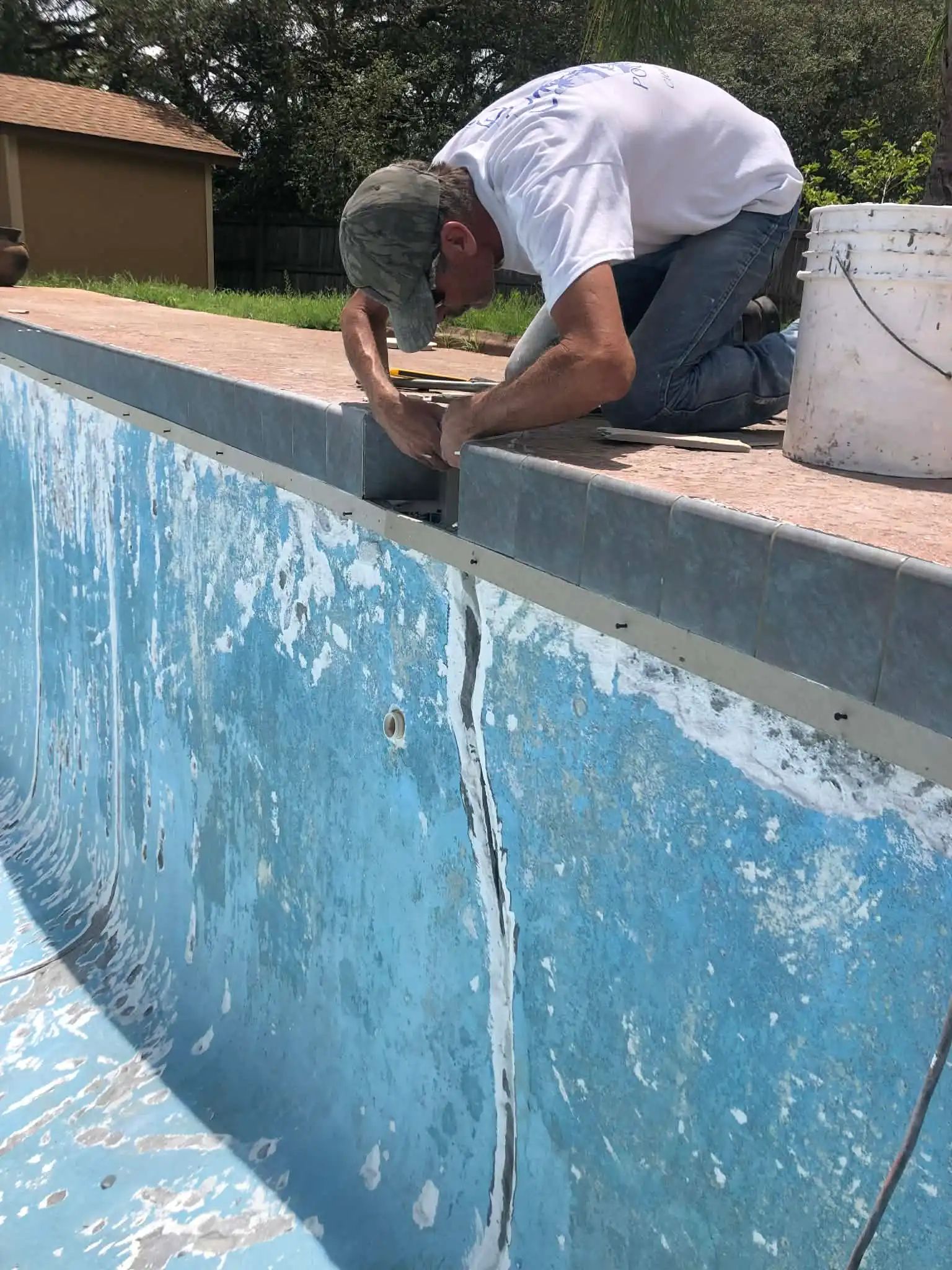
Do not keep forcing a pump to run if it is tripping, grinding, or failing to prime. Running damaged equipment can turn a smaller repair into a motor replacement, plumbing repair, or electrical issue. Our pool repair service can inspect pumps, filters, valves, heaters, automation, leaks, and storm-related equipment problems before they stack up.
Screen Enclosures Need Their Own Storm Check
Many Central Florida pools sit inside screen enclosures. Screens help with leaves and insects, but storms can turn a small enclosure issue into a pool cleanup problem. Before heavy wind, check doors, latches, loose spline, torn panels, and anything leaning against the frame. Remove unsecured decor, tools, pool poles, and storage items from the enclosure.
After the storm, inspect the enclosure before you let anyone swim. A torn panel can drop aluminum pieces, spline, fasteners, and debris into the pool. A bent door can stop closing properly. A loose panel can continue tearing during the next afternoon storm. If the enclosure took damage, keep people away from sharp edges and schedule repair before the damage spreads.
Cole's Pool Service & More handles pool screen service as part of the same backyard system. The pool, deck, drainage, and enclosure all affect how well the space recovers after heavy weather.
Before and After Storm Checklist
Use this checklist when a hurricane, tropical storm, or multi-day rain event is forecast.
| Timing | What to do | Why it matters |
|---|---|---|
| 48 to 24 hours before | Remove loose deck items, toys, umbrellas, cushions, and small furniture. | Prevents wind damage and keeps objects out of the pool. |
| 48 to 24 hours before | Clean skimmer baskets, pump basket, and surface debris. | Starts the system with better flow and more debris capacity. |
| 24 hours before | Test and balance water. | Helps sanitizer survive rain dilution and organic debris. |
| 24 hours before | Photograph equipment, screens, deck, and water condition. | Creates a record if damage needs to be reviewed later. |
| During storm | Stay indoors and leave the pool alone. | Lightning, wind, floodwater, and debris make pool work unsafe. |
| After storm | Check the yard, deck, and equipment for hazards first. | Prevents contact with electrical, sharp, or contaminated hazards. |
| After storm | Remove debris before adding chemicals. | Chemicals work better once organic load is reduced. |
| After storm | Restart equipment only if it is dry and undamaged. | Protects people and prevents equipment failure. |
| After storm | Test, brush, filter, and retest. | Restores water in the right order instead of guessing. |
Common Questions About Storm Pool Prep
Should I drain my pool before a hurricane?
Usually no. Keep the pool near its normal level unless you have a specific, safe reason to lower it slightly. Water helps hold the pool shell in place, especially when the ground is saturated.
Should I put patio furniture in the pool?
No. Furniture can stain the finish, damage tile, introduce dirt and metal, and become harder to remove safely after the storm. Move loose items indoors, into a garage, or to another secure area.
Can I swim after heavy rain?
Not until the pool is clean, clear, circulating properly, and the chemistry is back in range. Stay out if there is debris, cloudy water, floodwater contamination, electrical concern, or visible equipment damage.
What if my pool equipment was underwater?
Do not turn it on. Keep people away from the equipment pad and call a qualified repair professional or electrician. Submerged electrical and motor components need inspection before they are safe to use.
Does rain cause algae?
Rain itself is not algae, but it dilutes sanitizer, adds organic material, changes chemistry, and can reduce circulation if debris clogs baskets or filters. Those conditions let algae take hold quickly in Florida heat.
How long should I run the pump after a storm?
Once the equipment is confirmed safe, run the system long enough to circulate, filter, and mix the water after cleanup and chemical adjustment. Many storm recoveries need extended filtration, but exact timing depends on water condition, debris load, equipment, and filter type.
The Bottom Line
Storm pool prep is prevention. Clear the deck, protect the equipment, start with balanced water, and do not create a bigger problem by draining too much, storing furniture in the pool, or restarting wet equipment. After the storm, treat the pool like a system: safety first, debris removal second, equipment inspection third, chemistry and filtration after that.
If the pool only took rain and leaves, a disciplined cleanup may get it back quickly. If it took floodwater, equipment damage, screen damage, or persistent cloudiness, bring in help before the problem spreads.
Dave Cole
Dave Cole founded Cole's Pool Service & More in 2008 after completing his military service. Based in Central Florida, he holds Florida state contractor licensing and has personally overseen several hundred pool builds, renovations, repairs, and long-term maintenance accounts across Volusia, Seminole, Orange, and Lake counties. His writing draws directly from what he encounters in the field every week.
References
- 1.National Weather Service. (2026). Hurricane safety: Prepare before hurricane season. https://www.weather.gov/safety/hurricane-plan
- 2.National Weather Service. (2026). Hurricane safety: Take action. https://www.weather.gov/safety/hurricane-action
- 3.Centers for Disease Control and Prevention. (2024). Floodwater after a disaster or emergency. https://www.cdc.gov/floods/safety/floodwater-after-a-disaster-or-emergency-safety.html
- 4.Centers for Disease Control and Prevention. (2024). How to stay safe after a hurricane or other tropical storm. https://www.cdc.gov/hurricanes/safety/how-to-safely-stay-safe-after-a-hurricane-or-other-tropical-storm.html
- 5.Florida Department of Health. (2025). Vibrio vulnificus. https://www.floridahealth.gov/diseases-and-conditions/disease/vibrio-infections/