Learn how to adjust a Central Florida pool pump for cooler weather without losing circulation, sanitation, leaf control, or freeze protection.
Central Florida pools usually stay open through winter, but the summer pump schedule should not run unchanged by habit. Cooler water and lower swimmer demand can reduce the circulation time a pool needs, while falling leaves, a heater, a salt system, attached water features, or a cold snap can require more flow. The right winter pool pump schedule is the shortest tested schedule that still keeps the water clear, sanitized, skimmed, and ready for every connected device.
Key Takeaway
Do not choose winter pump hours from the calendar alone. Start from the pool's current clean, stable schedule, reduce runtime gradually, and verify water clarity, sanitizer, skimming, and equipment operation after each change. Keep weekly care in place, and use a separate freeze plan when a Central Florida forecast approaches freezing.
Central Florida Pools Usually Stay Open in Winter
Northern-style closing normally means lowering water, draining equipment, blowing out lines, and covering a dormant pool. That is generally the wrong model for an operating Central Florida pool. The Florida Swimming Pool Association's winter guidance says Florida owners can reduce filtration time and chemical demand when conditions allow, but it also advises circulation during a freeze warning.
A pool that stays full still needs circulation and sanitation. Pumps move water through the filter, distribute sanitizer, support surface skimming, and provide flow for equipment such as heaters and salt chlorine generators. Turning the system off for days because the water feels too cool to swim can leave leaf debris, stagnant plumbing, and an under-sanitized pool waiting for the next warm spell.
Why One Universal Number of Pump Hours Fails
Pump runtime is only one part of circulation. A single-speed pump at full flow, a variable-speed pump running slowly for longer, and a system operating a heater or water feature do not move the same amount of water per hour. Pool size, plumbing resistance, filter condition, pump speed, debris, sunlight, swimmer use, sanitizer method, and water temperature all affect the result.
Florida energy guidance recommends testing a shorter filtration schedule and increasing it in small increments if the water does not stay clean. That is more useful than treating a turnover calculation as a guarantee. A theoretical volume calculation cannot show whether leaves reach the skimmer, the salt cell receives enough flow, or a dirty filter has reduced actual circulation.
| Evidence to watch | What it tells you | Winter adjustment |
|---|---|---|
| Clear water and visible floor | Filtration is keeping up | A small runtime reduction may be reasonable |
| Weak skimming or debris remaining overnight | Surface flow is inadequate | Add runtime, a higher-speed cleaning period, or basket service |
| Low sanitizer despite normal testing and dosing | Production or distribution may be inadequate | Check chemistry, salt output, flow, and schedule before guessing |
| Heater or salt-cell flow warning | Connected equipment lacks required flow | Use the manufacturer's minimum flow and operating instructions |
| Rising clean-filter pressure | Debris is loading the filter | Service the filter according to its instructions before changing the pump |
Build a Winter Pool Pump Schedule From Evidence
Use this sequence when daytime temperatures and pool use begin to fall:
- Record the working baseline. Note the current start times, speeds, filter pressure, water clarity, sanitizer reading, water temperature, and any heater, cleaner, spa, or water-feature schedules.
- Clean the flow path. Empty skimmer and pump baskets and service the filter when its pressure or manufacturer guidance calls for it. A clogged system makes runtime comparisons unreliable.
- Reduce only one setting. Shorten total runtime modestly or trim one low-speed block. Do not change speed, sanitizer output, and chemistry at the same time.
- Observe for several days. Check whether the surface skims, the floor stays visible, sanitizer remains appropriate, and every connected device operates without a flow warning.
- Adjust in small steps. If performance stays stable, another modest reduction may be possible. If clarity, skimming, or sanitizer slips, restore the last successful setting.
Variable-speed pumps often work best with a purposeful schedule: enough speed for reliable skimming and connected equipment, with lower-speed circulation only where the plumbing and manufacturer allow it. More hours at a lower speed can use less energy than fewer hours at maximum speed, but the correct speed is equipment-specific.
"A winter schedule is not a smaller summer number copied from a chart. It is a tested operating plan for your pool, filter, debris load, sanitizer, and equipment."
- Dave Cole, Cole's Pool Service & More
If the timer, speed settings, pressure, and water results do not agree, Cole's Pool Service & More can evaluate them during weekly pool maintenance. A schedule review is especially useful before cooler weather if the pool has recurring low-flow warnings, weak skimming, or a salt system that stops producing.
Keep Weekly Chemistry and Debris Control
Cooler water can slow chlorine demand, but it does not make testing optional. The CDC's residential pool guidance identifies chlorine and pH as the first defense against germs and recommends routine measurement with a suitable test method. Follow the product label and equipment instructions rather than applying a universal winter dose.
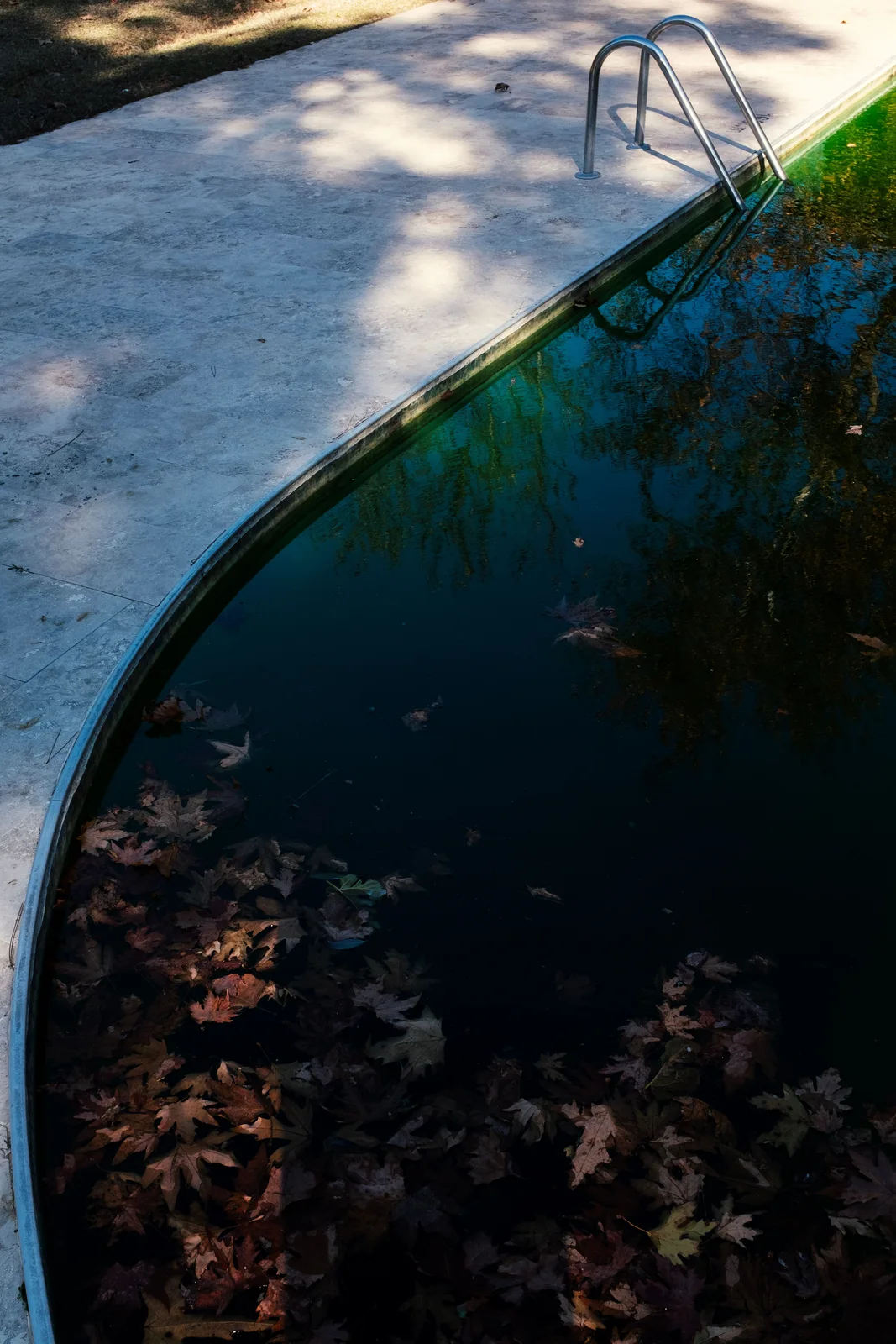
Central Florida also trades summer thunderstorms for different debris patterns. Leaves, pine needles, acorns, and windblown material can fill baskets and raise filter load even when nobody swims. Check baskets at least weekly and more often under shedding trees. Brush surfaces, maintain the proper water level, and keep the filter on its normal service plan.
Salt pools need special attention as the water cools. Many salt chlorine generators reduce output or stop producing below a model-specific water temperature. Confirm the displayed status and the manufacturer's manual. Do not assume a lower reading means the pool needs more salt, and do not add salt until a reliable test confirms the concentration.
Treat Freeze Protection as a Separate Operating Mode
An efficient daily schedule is not a freeze plan. When a local forecast calls for freezing conditions, moving water through exposed plumbing and equipment can reduce freeze risk. Pentair's Sun Belt guidance recommends keeping equipment circulating during a winter storm and confirming that automatic freeze protection is actually configured.
Before cold weather arrives:
- Find the freeze-protection setting. Confirm the air sensor, protected circuits, valves, and pump speed are configured according to the control-system manual.
- Include every vulnerable water path. A feature, spa loop, solar system, or auxiliary line may not be protected merely because the main pool pump runs.
- Do not rely on automation blindly. A failed sensor, disabled circuit, service mode, power outage, or lost connection can defeat an automatic response.
- Avoid improvised draining. Incorrectly opening equipment or draining a pool can cause damage. If power fails during freezing weather or the system cannot circulate, request equipment-specific guidance.
Do not cover a running motor, heater, or heat pump with a blanket or plastic. Equipment needs ventilation, and manufacturer instructions take priority. If a pump loses prime, runs dry, leaks, or makes abnormal noise, shut it down when safe and arrange pool equipment repair.
Winter Pool Pump Questions Homeowners Ask
How many hours should a pool pump run in Central Florida winter?
There is no reliable universal number. The correct schedule depends on actual flow, pump speed, pool volume, filter condition, debris, sanitation, and connected equipment. Reduce a proven schedule gradually, then use clarity, skimming, sanitizer, pressure, and equipment status to confirm the result.
Can I turn my pool pump off for the winter in Florida?
Not if the pool remains full and operating. It still needs filtration, sanitizer distribution, debris removal, and equipment protection. Central Florida pools typically stay open, with runtime adjusted to measured conditions rather than stopped for the season.
Is it cheaper to run a variable-speed pool pump longer at low speed?
Often, but only if the selected speed provides adequate skimming and meets the minimum flow for the filter, heater, salt cell, cleaner, and other equipment. Use the pump and equipment manuals, then verify performance in the pool.
Should the pool pump run overnight during a freeze warning?
Circulation is commonly recommended while freezing conditions persist, but the full plumbing layout matters. Confirm freeze settings before the event and include vulnerable spa, feature, solar, and auxiliary lines. If power is lost or circulation fails, contact a qualified pool professional.
Does a saltwater pool need less pump time in winter?
Possibly, because sanitizer demand may fall, but cold water can also reduce or stop salt-cell production. Check the cell's temperature limits, flow status, output, and a reliable water test before changing runtime or adding salt.
Should I drain my Central Florida pool for winter?
No, not as routine seasonal maintenance. An operating pool normally stays full and circulating. Draining can expose the finish and, under some groundwater conditions, create serious structural risk, so it should be done only for a defined project with professional planning.
Tune the Schedule Before the First Cold Front
A sound winter plan keeps circulation efficient without sacrificing clarity, sanitation, skimming, or freeze readiness. Record the baseline, make one small change at a time, and restore the last successful setting if the pool or equipment shows a problem. For related troubleshooting, see the guides to a pump that runs without circulating water, cloudy pool water, and saltwater pool maintenance.
Dave Cole
Dave Cole is the owner of Cole's Pool Service & More, serving pool owners across Central Florida since 2008.
References
- 1.Florida Swimming Pool Association. (n.d.). Winterizing in Florida. https://fspa.com/pool-owners/winterizing-in-florida/
- 2.Florida Solar Energy Center. (n.d.). Swimming pools. My Florida Home Energy. https://www.myfloridahomeenergy.com/help/library/water/pools/
- 3.Centers for Disease Control and Prevention. (2024). Home pool and hot tub water treatment and testing. https://www.cdc.gov/healthy-swimming/about/home-pool-and-hot-tub-water-treatment-and-testing.html
- 4.Pentair. (n.d.). Winter pool care: Sun Belt edition. https://www.pentair.com/en-us/education-support/water-education-center/pool-and-spa-education/do-i-need-to-close-my-pool.html