Know when a Florida pool needs resurfacing and compare plaster, quartz, pebble, and tile finishes for durability, cost, and upkeep.
Most pool owners in Central Florida underestimate how quickly the interior surface degrades when chemistry runs outside its target range for extended periods. A plaster surface exposed to aggressive water over several seasons develops a texture that accelerates algae adhesion, makes the pool harder to clean, and eventually produces surface pitting that compromises the shell itself. Understanding the timeline and the available finish options before you need the work done puts you in a better negotiating position and prevents the most common renovation mistake: choosing the cheapest option twice.
The Lifespan of Pool Surfaces in Florida's Climate
Standard white plaster carries a functional lifespan of 7 to 12 years under normal Central Florida conditions. That range shrinks significantly when pH runs chronically low, when calcium hardness falls below 200 ppm for extended periods, or when the pool is left untreated after a storm event. Quartz aggregate finishes extend that range to 12 to 18 years. Pebble and exposed aggregate surfaces last 18 to 25 years with proper chemistry management. These are estimates, not warranties, and the actual lifespan of any surface depends almost entirely on water balance over its service life.

Four Signs Your Surface Has Reached the End of Its Useful Life
- Rough texture that catches swimsuits or feels like sandpaper underfoot, caused by calcium crystal growth through the plaster surface
- Visible pitting or etching in the shell floor that traps algae and resists brushing even after chemical treatment
- Staining that does not respond to acid washing or ascorbic acid treatments, indicating the stain has penetrated past the surface layer
- Structural cracks running more than 12 inches or branching into multiple directions, which signal shell movement rather than surface shrinkage
White Plaster: The Entry Point
White marcite plaster is the lowest cost resurfacing option and the most common finish on older Florida pools. It produces the classic bright blue appearance and is the quickest to apply. The drawbacks are proportional to the price advantage: white plaster stains more readily than any other option, requires tighter chemistry management to prevent etching, and has the shortest replacement cycle. It is the right choice for a property being sold or a budget that cannot be extended, and a poor choice for a pool that will see heavy use without professional chemical service.
Quartz Aggregate: The Practical Middle Choice
Quartz aggregate finishes mix crushed quartz crystals into the plaster base, producing a surface that is harder than standard plaster, more stain-resistant, and available in a range of colors and textures. Quartz surfaces cost roughly 35 to 50 percent more than standard plaster and deliver a lifespan 50 to 80 percent longer. For most homeowners who plan to stay in their property more than five years, the cost-per-year advantage favors quartz over plaster.
Pebble Finishes: The Long-Term Investment
Exposed aggregate finishes embed small river pebbles into the plaster matrix, leaving a textured surface that is extremely durable and highly resistant to staining and chemical attack. The texture that makes pebble finishes durable also makes them less comfortable underfoot for barefoot swimmers than plaster or quartz. Installation is more labor-intensive, and costs typically run two to three times the price of standard plaster. On a pool that will stay in a family for decades, pebble finishes frequently represent the lowest lifetime cost.
"The most expensive resurfacing job we see is the second one, because the homeowner chose the cheapest option the first time and is back in seven years."
- Dave Cole, Cole's Pool Service & More
What the Resurfacing Process Involves
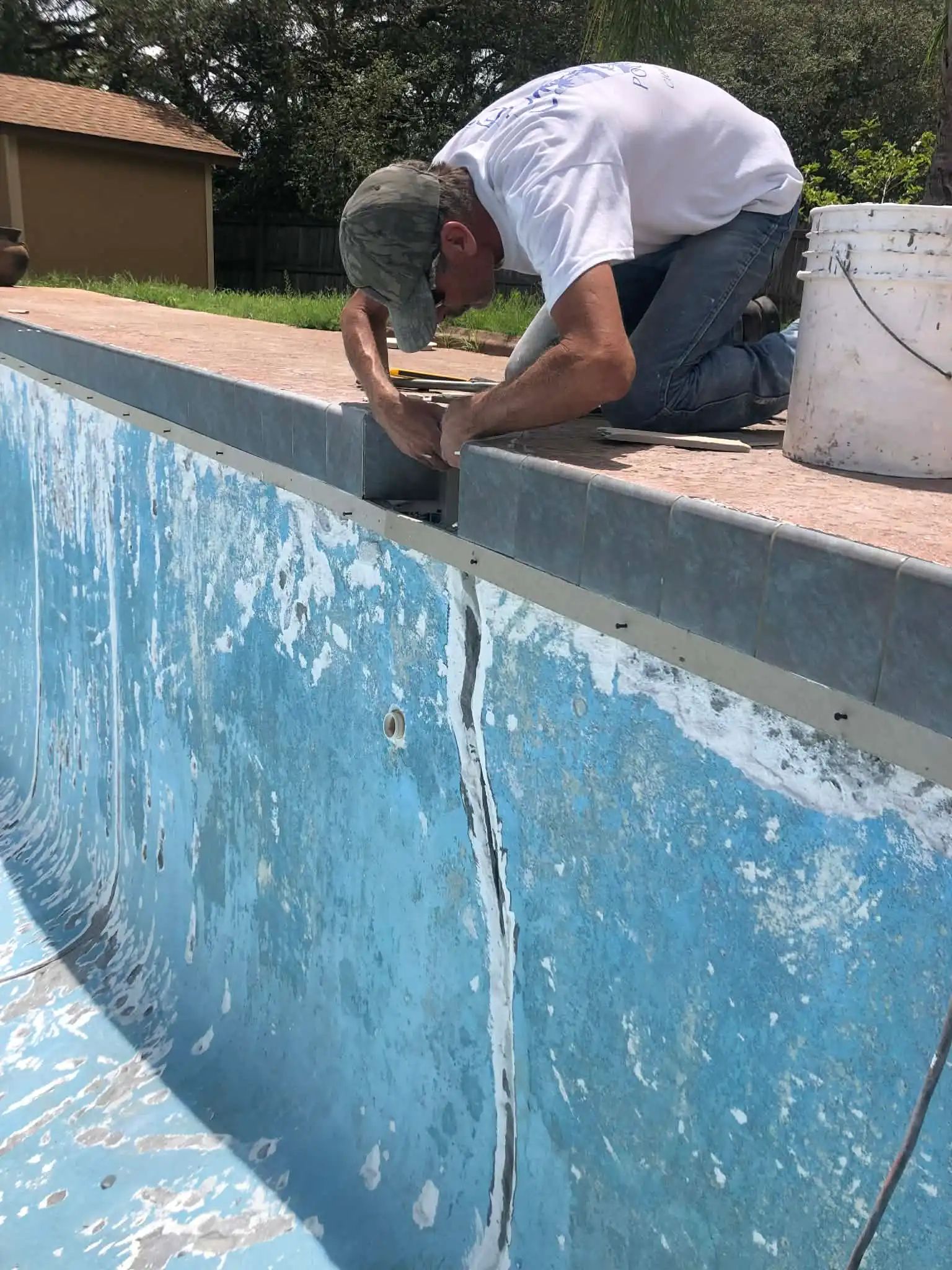
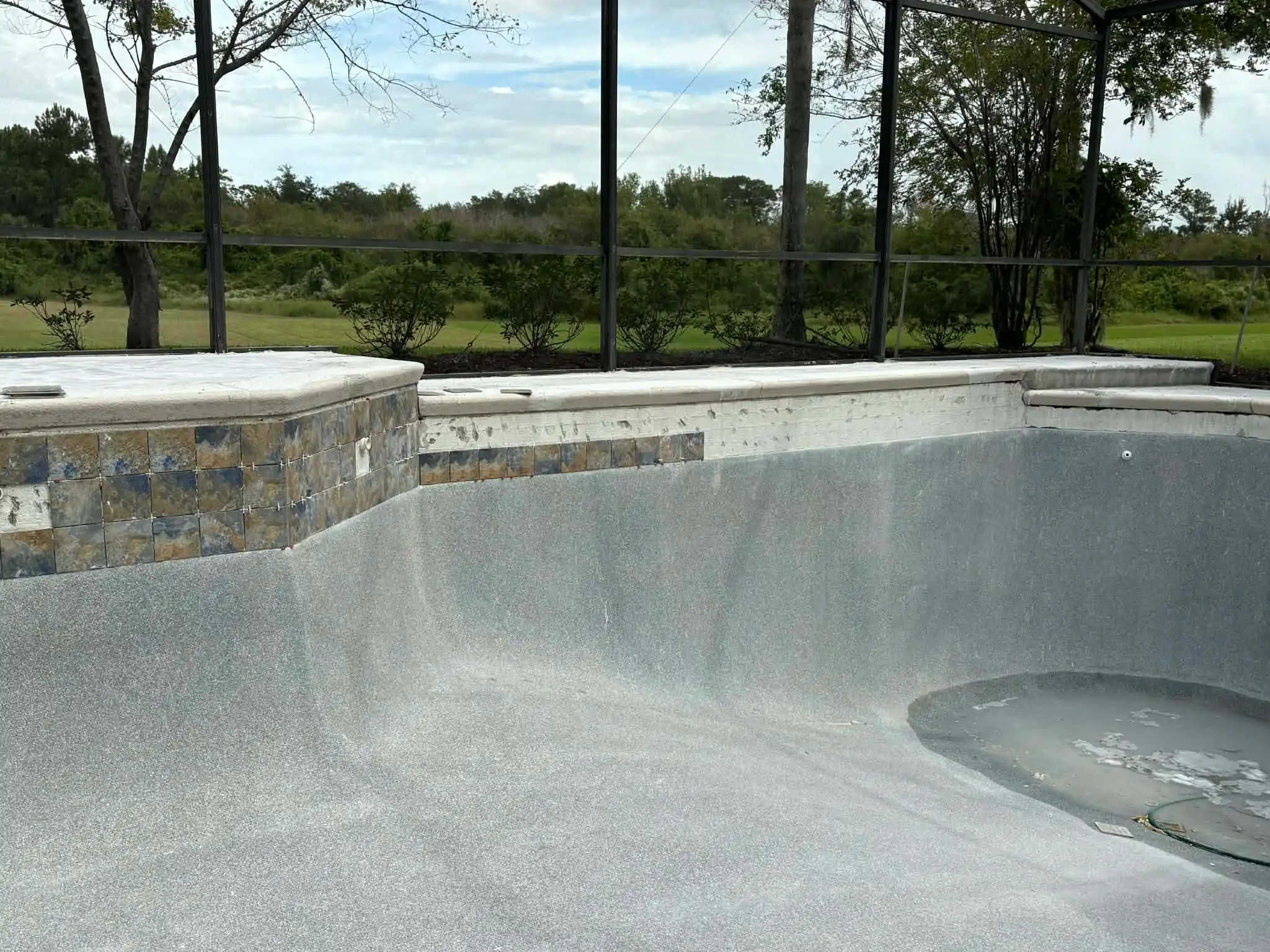
- Drain the pool completely and chip out all existing plaster down to the gunite shell
- Inspect the shell for structural cracks and repair any found before applying new surface
- Apply bond coat to the bare shell to ensure adhesion of the new finish material
- Apply finish material by hand, working from the deep end toward the shallow end
- Fill the pool immediately after finish application and begin startup chemistry within 24 hours
- Manage chemistry closely for the first 28 days while the finish cures to full hardness
Dave Cole
Dave Cole founded Cole's Pool Service & More in 2008 after completing his military service. Based in Central Florida, he holds Florida state contractor licensing and has personally overseen several hundred pool builds, renovations, repairs, and long-term maintenance accounts across Volusia, Seminole, Orange, and Lake counties. His writing draws directly from what he encounters in the field every week.
References
- 1.National Plasterers Council. (2024). Technical Manual for Pool and Spa Surfaces. https://www.npconline.org/
- 2.Association of Pool & Spa Professionals. (2023). ANSI/APSP-5 Swimming Pool and Spa Construction Standards. https://www.apsp.org/
- 3.Portland Cement Association. (2023). Pool Plaster and Surface Finishes. https://www.cement.org/