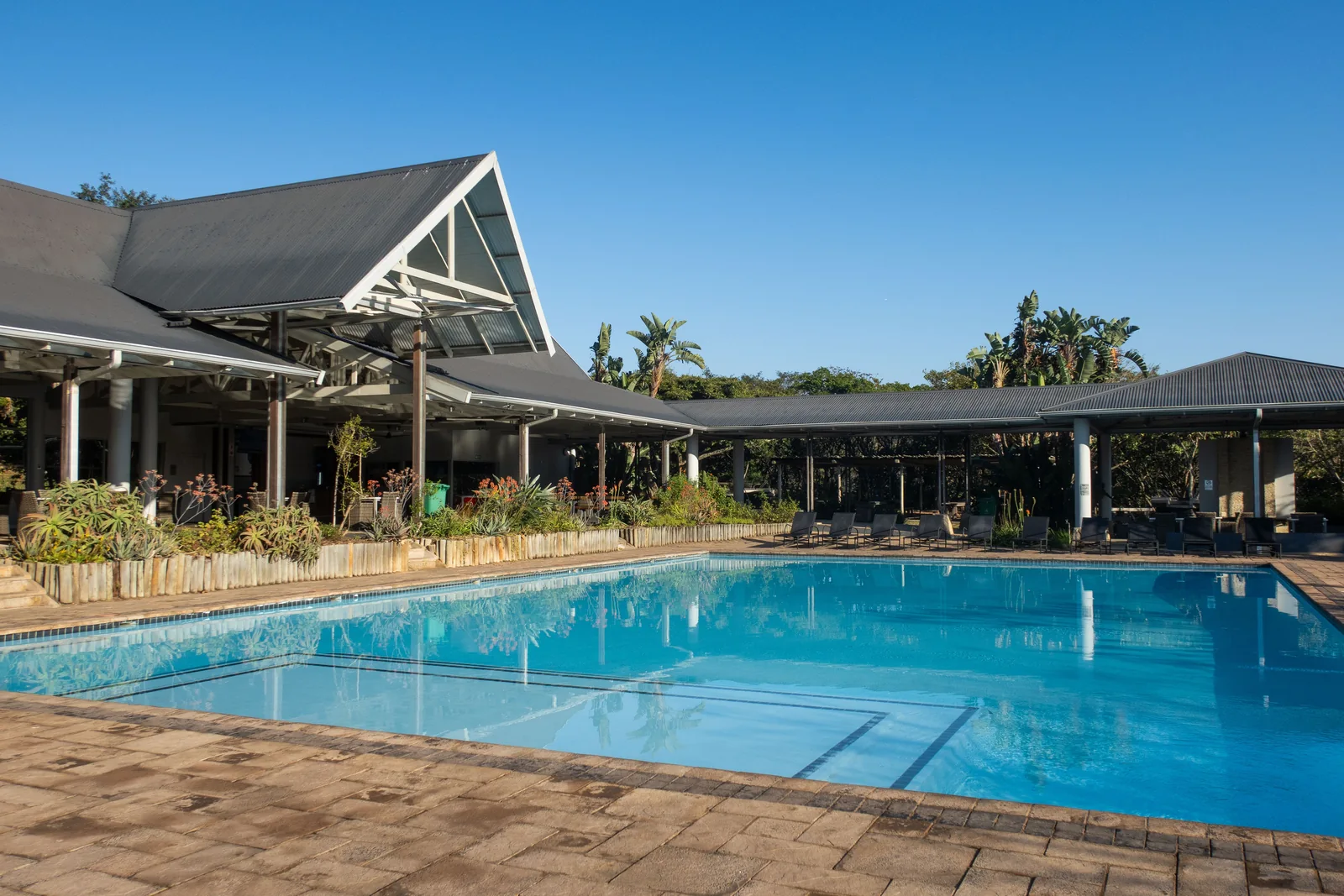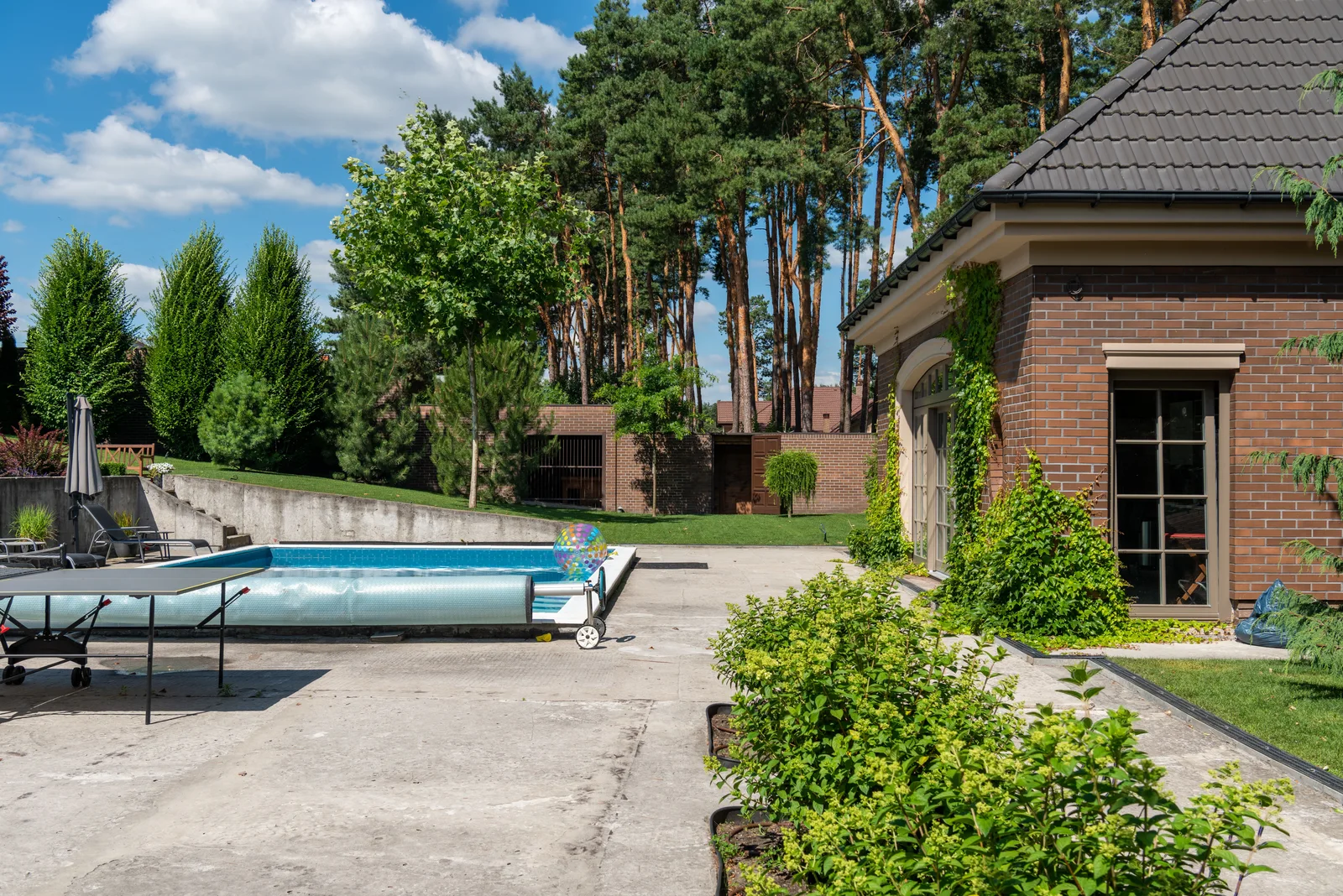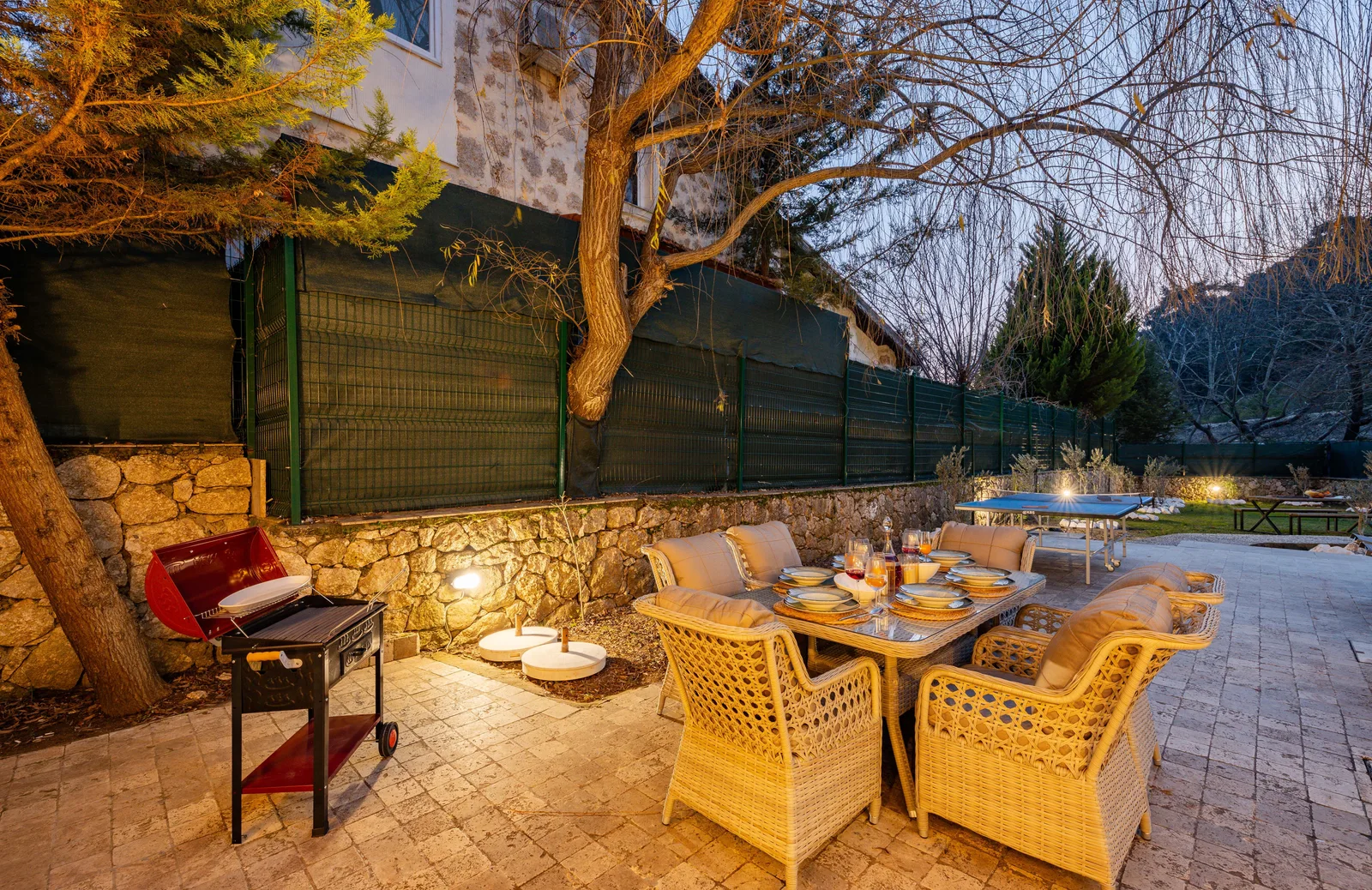
Plan a Volusia County outdoor kitchen around grill restrictions, pool access, utilities, weather, and a clear quote before choosing finishes.
An outdoor kitchen in Volusia County should start with a workable location, then an appliance list, then finishes. Before ordering a grill island, confirm that the appliance is permitted in that setting, people can move safely around the pool, and the site can support utilities and drainage. November gatherings make these decisions feel immediate, but a holiday date should not force a permanent installation into an unsuitable corner of the lanai.
Key Takeaway
Choose the cooking location before the countertop. A screen enclosure, roof, nearby sliding door, pool gate, or buried utility can change which layout works. A smaller outdoor kitchen with usable preparation space and service access is more practical than a larger island that blocks circulation or requires repeated modifications.
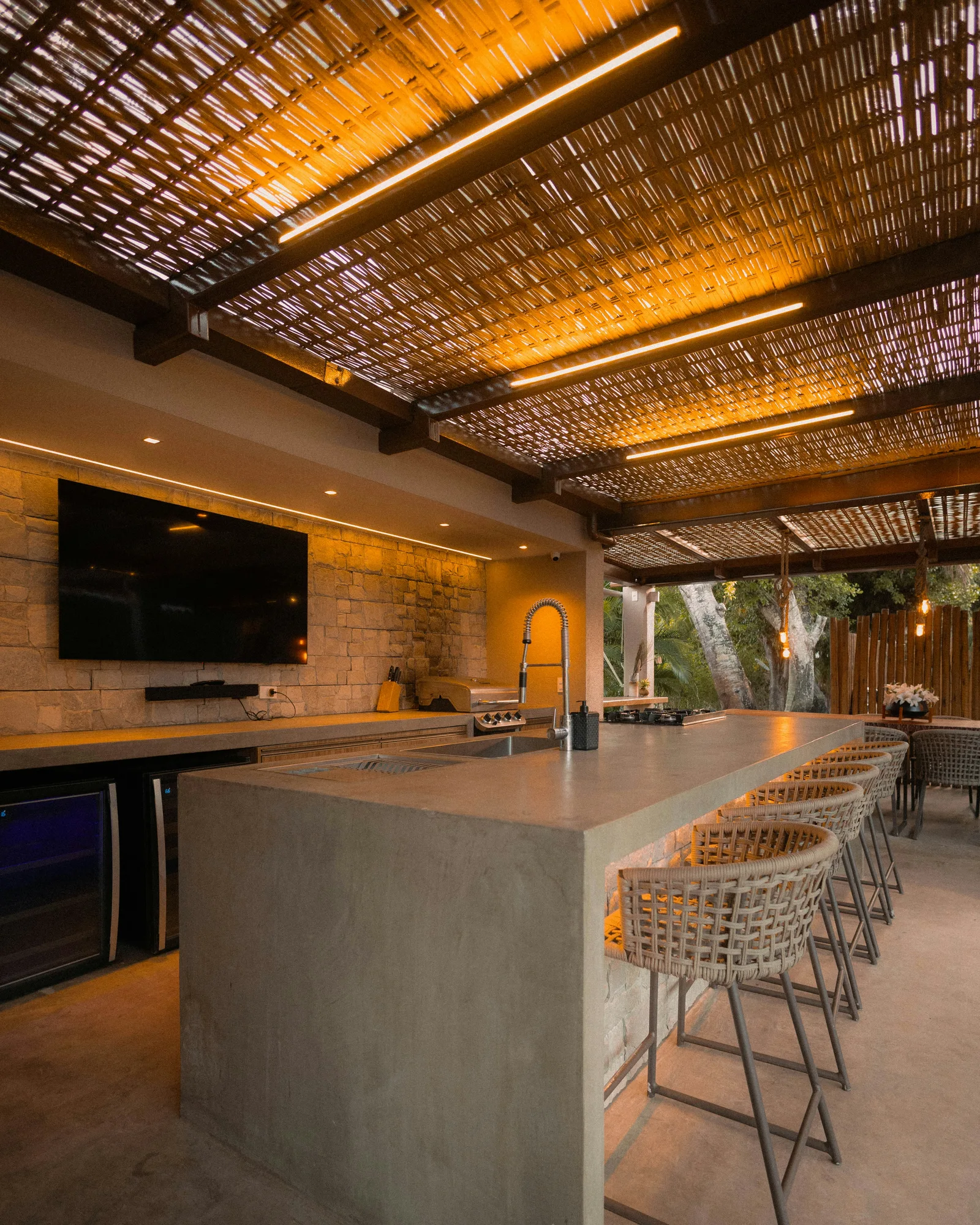
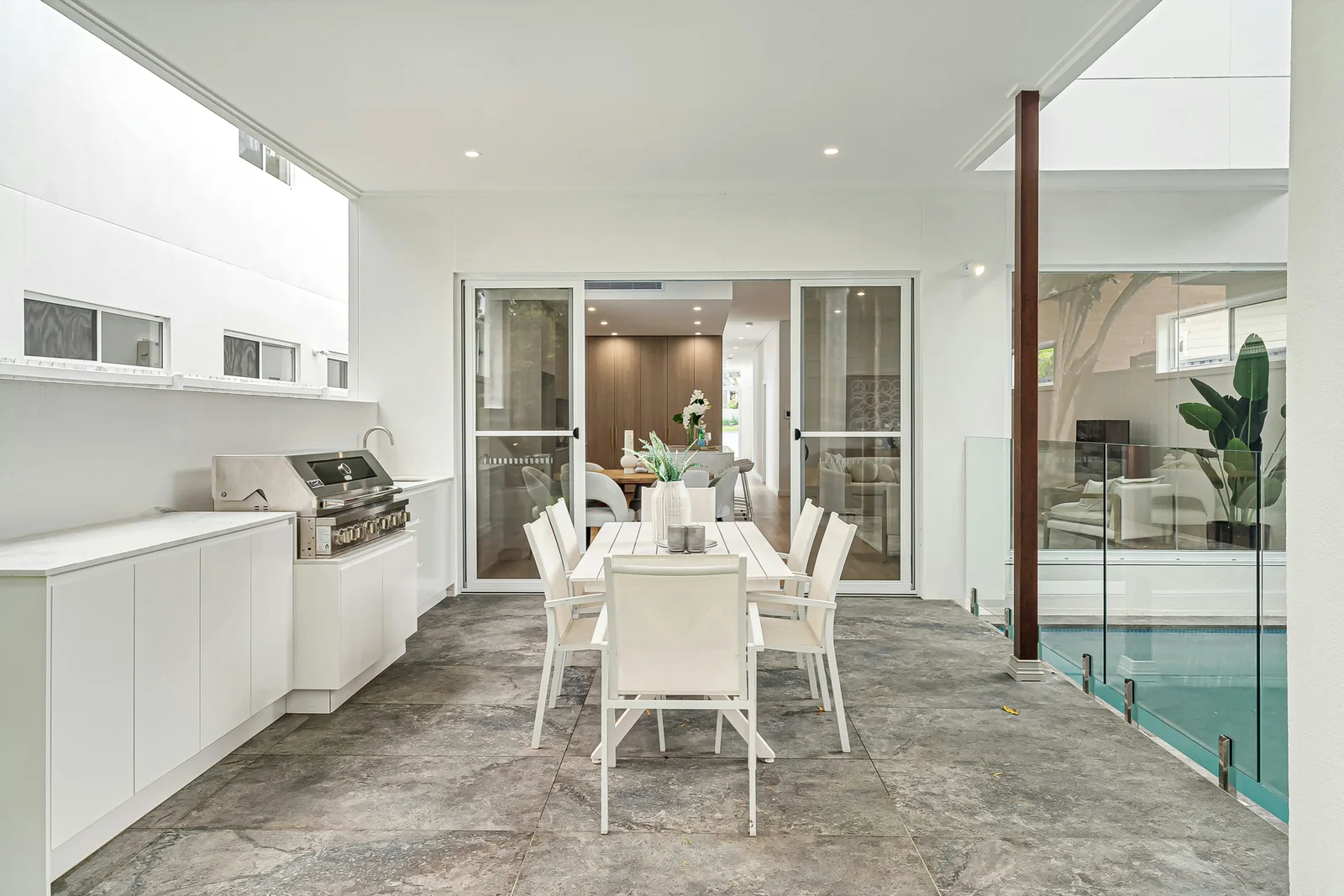
Hero photo: Ahmet ÇÖTÜR on Pexels. All photos are illustrative stock images, not Cole's projects or approved installation plans.
Decide What You Actually Need Outside
In Florida, a summer kitchen usually means a built-in outdoor cooking area, even when it is used throughout the year. It can be a grill with counter space or a larger arrangement with storage, refrigeration, and a sink. Those additions should solve specific problems in how you cook and entertain.
Write down one ordinary meal you expect to prepare outdoors. Identify where ingredients arrive, where raw food is handled, where cooked food lands, and where dishes return indoors. Then consider a gathering with guests seated and cabinet doors open.
| Project type | Best reason to consider it | Decision to settle first |
|---|---|---|
| Freestanding grill and separate prep surface | You want flexibility or are still testing the location | A safe operating location and stable surface |
| Built-in grill island | You regularly cook outside and want permanent preparation space | Appliance compatibility, clearances, base, and fuel supply |
| Kitchen with sink and refrigerator | Returning indoors interrupts how you use the space | Outdoor equipment ratings, electrical capacity, water, and wastewater routing |
| Kitchen combined with patio work | The existing outdoor area does not fit your routine | A coordinated layout for access, elevations, utilities, and seating |
A sink or refrigerator is optional. If the indoor kitchen is nearby, leaving one out can simplify the scope. Do not enclose a freestanding grill in cabinetry unless its manufacturer explicitly permits that installation.
Check the Lanai and Grill Restrictions Before Drawing an Island
A screened lanai is not automatically an approved cooking location. Mesh, open doors, and a ceiling fan do not establish that a grill has the ventilation or separation its manufacturer requires.
The CPSC's grill safety guidance calls for outdoor use in well-ventilated areas and warns against porches and overhead surfaces that can burn. Read the installation manual for the exact model before selecting its position.
Manufacturer restrictions differ. For example, Wolf's outdoor-grill guidance prohibits its listed outdoor cooking products in enclosed or covered areas with a roof or overhang. That is a product-specific restriction, not a universal clearance measurement for every brand. Adding a hood does not automatically override a prohibited location.
Have the proposed setting checked for:
- Overhead construction: roof edges, soffits, awnings, branches, and any planned shade structure.
- Nearby materials: walls, cabinetry, trim, screens, furniture, and landscaping within required clearances.
- Air movement: smoke drifting toward doors, seating, neighbors, or the cooking controls.
- Appliance access: enough room for the lid to open and for approved servicing and removal.
- Fuel-system access: accessible shutoffs and any required enclosure ventilation.
If the cooking location fails this review, move it or choose a different approved arrangement before pricing stonework. Gas, electrical, and ventilation design belong with qualified professionals.
Cole's Pool Service & More offers outdoor kitchens, patios, and pool-area hardscaping in Volusia County. An early project discussion can identify layout constraints before you commit to appliances or permanent counters.
Keep the Pool Route Open With Furniture in Place
Draw the route from the house to the pool, the pool gate, the equipment area, and the outdoor table. Include opened doors, pulled-out chairs, and the space occupied by someone cooking. An island that fits an empty patio can still make the finished area difficult to use.
Mark a proposed footprint with removable tape or movable objects, then walk it without operating any appliance. Try carrying an empty serving tray from the house to the table. Check whether someone opening a refrigerator would force another person toward the water.
Keep the cooking area out of the main wet-foot traffic route. Preserve access to gates, drains, equipment, and screen doors. Arrange serving and seating so the cook can hand off food without guests crowding the hot appliance. Maintain clear sightlines to the pool, while remembering that a clear view never replaces active supervision.
If the work changes a pool barrier or gate arrangement, have that change reviewed before construction. For projects that also alter coping or the pool interior, our pool renovation planning guide explains why the work should be scoped together.
Trace Utilities and Water Paths Before Closing the Base
A convenient-looking location may need substantial work beneath the surface. Ask the contractor to identify utility routes and access before deciding that an existing patio can support a permanent kitchen.
- Fuel: confirm the proposed appliance's fuel type, supply requirements, shutoff location, and approved connections.
- Electricity: have an electrician assess appliance loads, outdoor suitability, protection, and proximity to the pool.
- Water and wastewater: a sink needs a planned supply and an approved disposal connection. Do not assume sink waste can discharge onto the lawn or into a deck drain.
- Support: have the existing slab or patio assessed for the proposed island and countertop loads.
- Rainwater: preserve drain access and a workable flow path around the new footprint.
- Future service: document connections and leave required access panels usable after installation.
These are scope questions for the relevant trades, not instructions for homeowner utility work. Request utility locating before excavation or drilling where buried services may be present.
An island should not become a dam across the deck. If the patio already puddles, use the pool deck drainage guide to document the problem for the site assessment. Resolve the layout with drainage in mind before placing a permanent base over the area.
Plan for Florida Exposure Beyond the Holiday Season
Assess the location at the time you expect to cook. Note afternoon sun, wind direction, roof runoff, irrigation spray, and damp areas that dry slowly. A pleasant November evening does not show every condition the kitchen will face during summer.
Request written outdoor-use guidance for cabinets, counters, hardware, appliances, adhesives, and finishes. Ask about direct sunlight, rain exposure, cleaning products, maintenance, and warranty exclusions. A material name alone does not establish suitability for your exact installation.
Keep pool chemicals in their designated storage area, separate from food, cooking equipment, and kitchen cabinets. Include a plan for protecting appliances according to their instructions and securing loose outdoor items when severe weather threatens. NOAA identifies November 30 as the end of Atlantic hurricane season, so November is still part of that planning window.
Request a Comparable Quote and the Correct Permit Review
Start with the property's jurisdiction. The City of DeLand explains that it handles permits inside city limits, while unincorporated properties go through Volusia County. A mailing address alone should not settle that question.
The Volusia County Permit Center handles building and trade permits. Ask the responsible office which approvals apply to your actual structure, fuel, electrical, and plumbing scope. Association approval, when applicable, is a separate question.
For a useful written quote, request:
- A measured layout with appliance model numbers and installation requirements.
- Base, cabinet, counter, and finish specifications.
- Separate utility, drainage, demolition, and restoration scope.
- Permit responsibilities, inspections, exclusions, and allowances.
- Product availability, construction sequence, and conditions affecting scheduling.
- Service access, care instructions, and written warranty terms.
Compare those details before comparing totals. A number that excludes electrical work or patio restoration does not describe the same project as one that includes them. Ask for a site-specific estimate rather than treating an online price range as a local quote.
Outdoor Kitchen Questions Volusia Homeowners Ask
Can I put a grill inside my screened pool enclosure?
Do not assume the enclosure is an approved location. Check the exact appliance manual and have the setting reviewed for ventilation, overhead construction, and clearances. A hood or fan does not cancel a manufacturer's prohibition.
Do I need a permit for an outdoor kitchen in Volusia County?
Requirements depend on the jurisdiction and work involved. Ask the city or county about the proposed structure and each utility trade before work begins. Do not assume a small project is exempt.
Can an outdoor kitchen sit on my existing paver patio?
That requires a site assessment. The patio's support, condition, elevations, and drainage must suit the proposed loads and installation. A level-looking surface alone is not enough information.
Is a built-in kitchen better than a freestanding grill?
A built-in layout makes sense when you want permanent preparation and serving space in a confirmed location. A freestanding arrangement offers flexibility when your needs are simpler. Both still require a safe operating location.
How much will an outdoor kitchen cost?
The useful answer is a written quote for your site and appliance list. Utility runs, base work, counters, access, and restoration can change the scope substantially. Compare inclusions rather than a headline price.
Can a new kitchen be ready for Thanksgiving?
Ask about design, approvals, product availability, trade coordination, and inspections before committing to a date. No universal installation timeline fits every project. Keep an existing safe cooking arrangement available while the permanent work is planned.
Start With a Site Plan You Can Use
Bring photos, approximate patio dimensions, appliance preferences, and your cooking routine to the first discussion. Note the doors, gates, drains, and utility locations you know about. That gives the project a practical starting point before finishes and accessories take over.
Dave Cole
Dave Cole is the owner of Cole's Pool Service & More, serving Central Florida homeowners since 2008.
References
- 1.U.S. Consumer Product Safety Commission. (2023, August 3). Summer grill safety tips with CPSC Chair Alex Hoehn-Saric. https://www.cpsc.gov/node/63278
- 2.Sub-Zero, Wolf, and Cove. (n.d.). Wolf outdoor grill combustible or non-combustible surface information. https://www.subzero-wolf.com/assistance/answers/wolf/common/outdoor-grill-combustible-or-non-combustible-surface-information
- 3.City of DeLand. (n.d.). Building permits. https://www.deland.org/191/Building-Permits
- 4.Volusia County. (n.d.). Permit Center. https://www.volusia.org/services/growth-and-resource-management/building-and-zoning/permit-and-zoning-center/
- 5.National Oceanic and Atmospheric Administration. (n.d.). What is a hurricane? https://oceanservice.noaa.gov/facts/hurricane.html