Learn why a Central Florida pool heater runs without warming the water, what to check safely, and when heater repair is the right next step.
A pool heater that turns on but does not warm the water is not automatically a failed heater. In Central Florida, the cause may be restricted water flow, an incorrect valve or automation setting, cool-weather limits on a heat pump, rapid heat loss, or an internal equipment fault. Check the circulation path and operating conditions first, record what the heater displays, and stop before opening electrical, gas, combustion, or refrigerant components.
Key Takeaway
Start with flow, settings, and heat loss before assuming the pool heater needs replacement. Confirm the filter pump is running, baskets are clear, valves are in the correct position, the thermostat is calling for heat, and the pool is not losing heat faster than the heater can add it. If the unit trips a breaker, smells like gas, leaks internally, repeatedly locks out, or shows a fault that remains after basic checks, turn it off and request professional diagnosis.
Identify the Heater Before Troubleshooting
The right expectations depend on the equipment type.
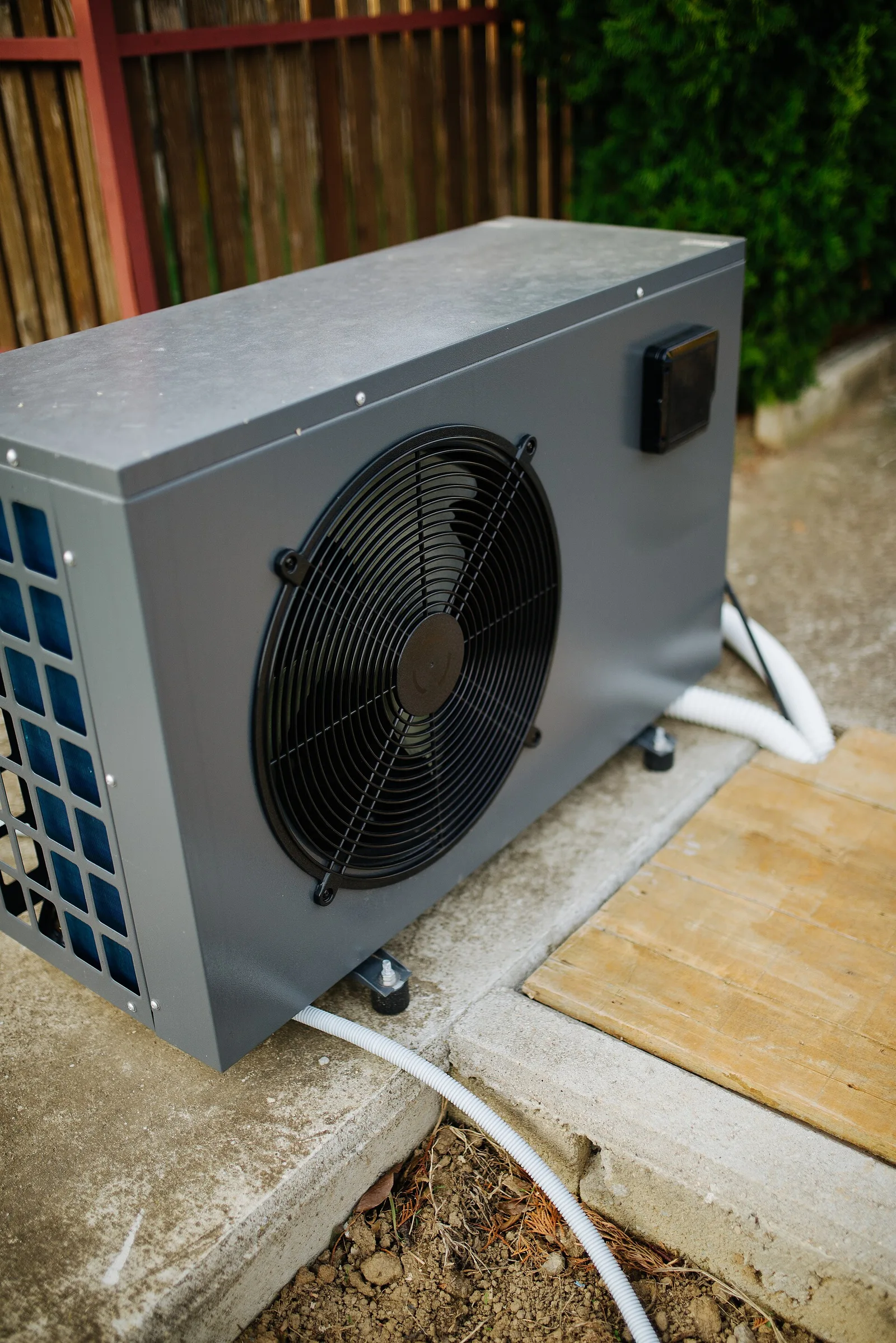
- Heat-pump pool heater: transfers heat from outdoor air into the pool. It usually warms a pool gradually, and performance changes with air temperature, humidity, water flow, pool size, and heat loss.
- Gas heater: burns natural gas or propane to add heat quickly. It depends on correct fuel supply, combustion airflow, ignition, water flow, and functioning safety controls.
- Electric resistance heater: uses electric heating elements. It is different from a heat pump even though both use electricity.
- Solar pool heating: sends pool water through roof collectors. Its output depends on sunlight, roof conditions, controls, and circulation.
Check the equipment label and owner manual rather than guessing from the cabinet. The U.S. Department of Energy treats gas, electric resistance, and heat-pump pool heaters as distinct product classes, and each has different operating characteristics.
Use This Safe Pool-Heater Check Order
Work from the pool toward the heater. This prevents a dirty filter or wrong valve position from looking like an expensive heater failure.
- Confirm there is a real call for heat. Set the system to the correct pool or spa mode and place the setpoint above the current water temperature. Check whether an automation schedule or remote controller is overriding the heater panel.
- Verify the filter pump is running. A heater needs adequate water moving through it. If the pump is not primed, stop and correct the circulation problem before operating the heater.
- Empty the skimmer and pump baskets. Leaves and seed pods can reduce flow enough to open a heater's pressure or flow safety switch.
- Compare filter pressure with its clean baseline. A higher-than-normal reading can indicate a loaded filter. An unusually low reading can point to restricted suction, air entry, or lost prime.
- Check accessible valve positions. Confirm water is routed through the heater and that a manual bypass has not been left in the wrong position. Do not move unfamiliar valves while equipment is running.
- Read and record the display. Photograph the exact code, setpoint, displayed water temperature, mode, pump speed, and time of day. Do not repeatedly reset a fault without finding its cause.
- Observe from outside the cabinet. Note whether a heat-pump fan runs, whether the unit cycles repeatedly, and whether water is leaking from plumbing. Do not remove service panels.
The Pentair UltraTemp guide identifies low water flow as a specific alarm condition and directs owners to resolve circulation and bypass issues. Required flow and fault definitions vary by model, so use the manual for the installed unit rather than a universal gallons-per-minute rule.
If the pump is also losing prime or the returns are weak, follow the pool circulation troubleshooting guide before running the heater. Cole's Pool Service & More provides pool equipment and heater repair across its verified Central Florida service counties when the safe checks do not restore operation.
Match the Symptom to the Likely System
| What you observe | Check first | What it may indicate |
|---|---|---|
| Heater shows low-flow or pressure fault | Pump prime, baskets, filter baseline, valves, pump speed | Restricted circulation or an incorrectly sensed flow condition |
| Heat-pump fan runs but heating is weak | Air temperature, coil airflow, pool cover, run time, water flow | Normal weather-limited output, heat loss, airflow restriction, or an internal refrigeration fault |
| Gas heater clicks but does not ignite | Fuel availability and displayed code, observed without opening cabinet | Ignition, fuel, combustion-air, or safety-control problem |
| Heater starts and stops repeatedly | Flow, setpoint, automation, error history | Intermittent flow, control conflict, sensor issue, or safety shutdown |
| Display temperature does not match a separate thermometer | Thermometer placement and stable circulation | Temperature-sensor or calibration problem |
| Water appears under a heat pump | Whether it is clear condensate outside the cabinet or a plumbing leak | Normal condensation is possible; persistent plumbing or internal leakage needs inspection |
| Breaker trips or wiring smells hot | Nothing further | Electrical hazard; shut the system off and call a qualified professional |
This table narrows the next check, not the repair. Pressure switches, internal bypasses, ignition systems, heat exchangers, capacitors, controls, refrigerant circuits, and line-voltage wiring are not homeowner adjustment points.
Why a Working Heat Pump Can Still Feel Too Slow
Central Florida heat pumps pull energy from outdoor air. As fall nights become cooler, the same unit can add heat more slowly than it did during a warm afternoon. Wind, evaporation, water features, an uncovered surface, a large temperature increase, or short pump schedules can remove heat as quickly as the system adds it.
Before labeling slow heating a failure, compare like with like:
- Record the starting water temperature, target temperature, outdoor conditions, and run time.
- Keep normal circulation and heater schedules running long enough for a meaningful comparison.
- Turn off decorative spillovers or fountains when they are not needed because they increase evaporation.
- Use a suitable pool cover according to its instructions when practical, especially overnight.
- Compare current performance with the same pool under similar weather, not with a spa or a neighbor's smaller pool.
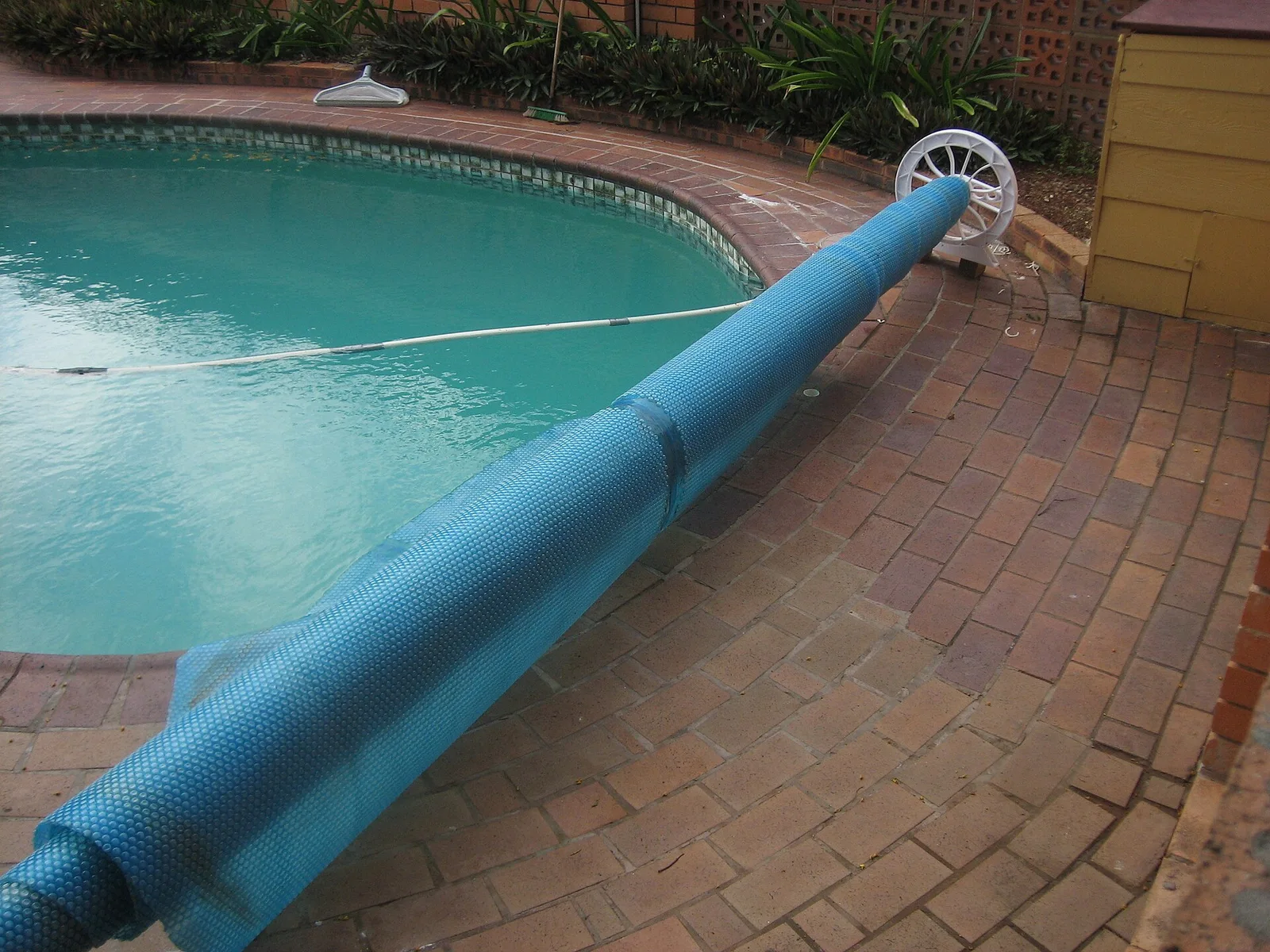
A cover cannot repair weak flow or failed equipment, but it changes the heating load. That distinction helps prevent replacing a heater that is functioning while the pool loses heat through evaporation and cool-night exposure.
When the Heater Needs Professional Diagnosis
Turn the heater off and request service when any of these conditions appear:
- A breaker trips, a conductor or control smells hot, or the cabinet shows heat damage.
- A gas odor, soot, flame rollout, ignition lockout, or damaged venting is present.
- The heater leaks from inside the cabinet or corrodes around connections.
- A heat pump repeatedly ices without clearing, its fan or compressor makes abnormal noise, or a refrigerant fault returns.
- The heater cycles rapidly after baskets, filter condition, valves, and pump operation are confirmed.
- The same safety code returns after one manual-directed reset.
- The unit cannot maintain performance under conditions where it previously worked normally.
Do not bypass a safety switch or jumper a control to make the heater run. Heat-pump refrigerant work also has a legal boundary: the EPA requires Section 608 certification for technicians whose service could release regulated refrigerants. Gas, combustion, high-voltage, and refrigerant diagnosis should stay with properly qualified professionals.
Pool Heater Questions Central Florida Homeowners Ask
Why is my pool heater running but the water is not getting warmer?
The pool may have restricted flow, an incorrect setpoint or valve position, weather-limited heat-pump output, excessive heat loss, or an internal fault. Record the water temperature and operating conditions over time before deciding that no heat is being added.
Can a dirty pool filter stop the heater from working?
Yes. A loaded filter can reduce water flow enough to open a heater's pressure or flow safety circuit. Compare filter pressure with the clean baseline for that system and follow the filter manufacturer's cleaning instructions.
Does a pool heat pump work on cool Central Florida nights?
Operation depends on the model and outdoor conditions. Heat-pump output generally falls as available heat in the air decreases, and some units enter defrost or low-temperature protection. Check the installed model's manual rather than assuming every pause is a failure.
How long should a pool heater take to warm the water?
There is no safe universal answer. Pool volume, heater type and size, starting and target temperatures, weather, cover use, water features, and heat loss all change the result. A measured temperature trend under known conditions is more useful than a generic hourly promise.
Is water under a pool heat pump always a leak?
No. A functioning heat pump can produce condensation, especially in humid weather. If water continues when the unit is off, contains pool chemicals, comes from plumbing or inside the cabinet, or the pool level drops, have it inspected.
Should I keep resetting a pool-heater error code?
No. Record the exact code and follow the owner manual once. If it returns, shut the heater down and diagnose the cause instead of defeating a safety response or masking an intermittent problem.
Test the Heater Before the First Cool Weekend
Late September is a practical time to test a Central Florida pool heater under controlled conditions, before cooler nights create a rush of no-heat calls. Confirm flow, settings, fault history, and temperature change now. For broader warning signs, review the guide to common Florida pool equipment problems.
Dave Cole
Dave Cole is the owner of Cole's Pool Service & More, serving pool owners across Central Florida since 2008.
References
- 1.Pentair. (2023). UltraTemp heat pump installation and user's guide. https://www.pentair.com/content/dam/extranet/nam/pentair-pool/residential/heaters/ultratemp/manuals/ultratemp-heat-pump-installation-and-users-guide-en-fr-sp.pdf
- 2.U.S. Environmental Protection Agency. (2025). Section 608 technician certification. https://www.epa.gov/section608/section-608-technician-certification
- 3.U.S. Department of Energy. (2024). Consumer pool heaters. https://www.energy.gov/cmei/buildings/consumer-pool-heaters